




What is Trisomy X Syndrome ( Triple X Syndrome , 47,XXX ) ?
Trisomy X syndrome, also known as Triple X syndrome or 47,XXX syndrome, is a genetic condition that affects females. It is caused by the presence of an extra X chromosome in a female’s cells, resulting in a total of three X chromosomes instead of the usual two.
The extra chromosome is usually the result of a random error that occurs during cell division in either the mother’s egg or the father’s sperm. Trisomy X syndrome is not usually inherited, and the risk of having a child with the condition increases with the mother’s age.
The prevalence of Trisomy X syndrome is estimated to be around 1 in 1,000 female births, although many people with the condition may never be diagnosed due to the mild or asymptomatic nature of the syndrome.
Symptoms of Trisomy X Syndrome ( Triple X Syndrome , 47,XXX )
Symptoms of Trisomy X syndrome can vary widely, and many people with the condition may not show any physical or intellectual abnormalities.
Only some women
with triple – X Syndrome have reproductive function disorders (secondary amenorrhea,
dysmenorrhea, early menopause, etc.).
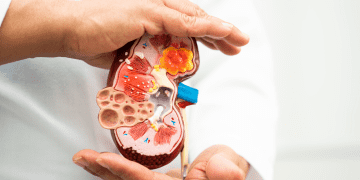
Some as Widely Space eyes , abnormally curved fingers , Kidney abnormalities etc.
Anomalies in the development of external
genitalia are detected only upon careful examination, are
expressed insignificantly and do not serve as a reason to consult a doctor.
Diagnosis of Trisomy X Syndrome ( Triple X Syndrome , 47,XXX )
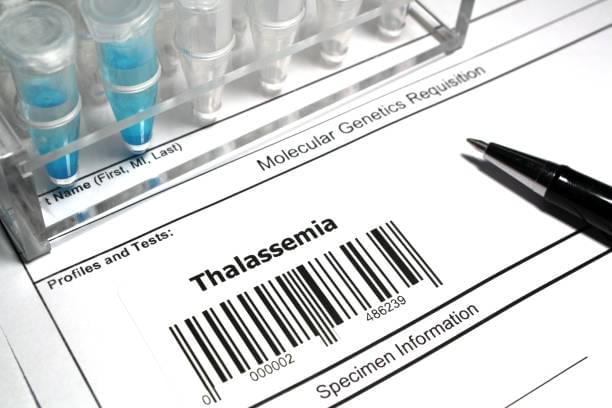
Diagnosis of Trisomy X syndrome is usually made through genetic testing, which can detect the presence of an extra X chromosome in a female’s cells. Prenatal testing, such as chorionic villus sampling or amniocentesis, can also detect the condition during pregnancy.
Treatment of Trisomy X Syndrome ( Triple X Syndrome , 47,XXX )
There is no cure for Trisomy X syndrome, but treatment can help manage symptoms and improve quality of life. This may include speech therapy, occupational therapy, educational support, and counseling.
Summary of Trisomy X Syndrome ( Triple X Syndrome , 47,XXX )
Overall, Trisomy X syndrome is a relatively rare genetic condition that affects females. Although the symptoms can vary widely, many people with the condition can live healthy and fulfilling lives with appropriate support and management.