







What is Swyer Syndrome?
Swyer syndrome is a disorder that affects females and is characterized by the failure of sex glands to develop. People suffering from this syndrome have functional genitalia and structures, including the vagina, uterus, fallopian tube, but they lack sex glands (ovaries) ,ovaries are replaced by functionless (fibrous) scar tissues. Swyer syndrome is also known as 46XY complete gonadal dysgenesis. Females with Swyer syndrome have an XY chromosomal make-up.
Causes of Swyer Syndrome :
- Swyers syndrome is caused by mutation in genes such as SRY , NORB 1 , DHH, WNT4, MAP3K1
- Variants in the SRY gene have been found in approximately 15 percent of individuals with Swyer syndrome. The SRY gene, located on the Y chromosome, provides instructions for making a protein called sex-determining region Y. This protein attaches (binds) to specific regions of DNA and helps control the activity of particular genes. The sex-determining region Y protein starts processes that are involved in male-typical sex development. These processes cause a fetus to develop male gonads (testes) and genitals and prevent the development of female internal reproductive structures (uterus, fallopian tubes, and upper part of the vagina) and genitals. SRY gene variants that cause Swyer syndrome prevent production of the sex-determining region Y protein or result in the production of a nonfunctioning protein. Without functional sex-determining region Y protein, a fetus will not develop testes but will develop female-typical internal and external reproductive structures, despite having an X and a Y chromosome
Symptoms of Swyer Syndrome :
Females with Swyer syndrome have gonadal streaks instead of sex glands. This means ovaries are replaced by functionless (fibrous) scar tissues. As they do not have ovaries, females with Swyer syndrome do not produce sex hormones and do not undergo puberty. This condition is due to a new gene mutation, The Swyer syndrome incidence is recorded at 1 in 80,000 births.
Diagnosis of Swyer Syndrome :
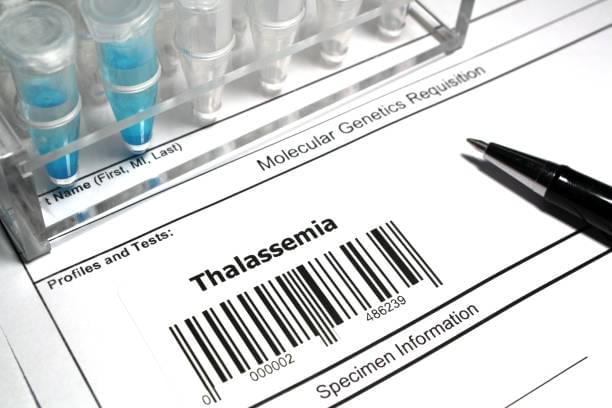
The diagnosis can be performed through clinical evaluation, fluorescence in situ hybridization, and molecular genetic testing. Furthermore, Swyer syndrome is usually treated with hormone replacement therapies and surgery